
Princess Parrot (Polytelis alexandrae) – Care, Diet, and Personality
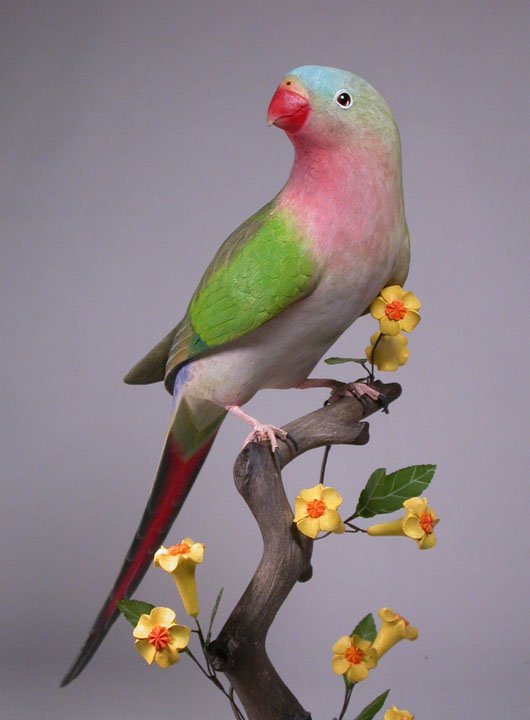
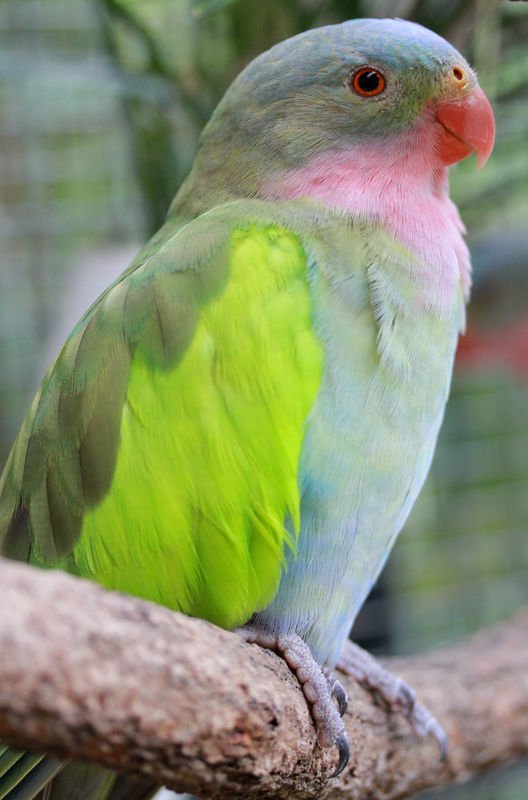
The Princess Parrot, also known as the Alexandra Parrot, is a rare, elegant, and colorful parrot native to remote arid regions of Australia. Known for its vibrant green, blue, and pink plumage, long tail, and gentle temperament, this parrot is highly sought after by exotic bird enthusiasts. Its quiet nature and social behavior make it an excellent companion bird for experienced owners.
Appearance of the Princess Parrot
Size and Plumage
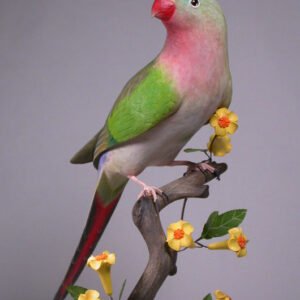
Princess Parrots are medium-sized parrots, measuring 12–14 inches (30–36 cm) in length, including their long tapered tail. Males are especially colorful, with bright green bodies, blue wings, pink face, and yellow accents, while females are slightly more muted.
Distinctive Features
-
Long, slender tail feathers
-
Bright green body with pink and blue highlights
-
Small, curved red beak
-
Males have more vibrant colors than females
Their unique and striking plumage makes them one of the most visually stunning Australian parrots.
Behavior and Personality
Gentle and Social
Princess Parrots are gentle, calm, and social, making them ideal for bird owners who appreciate quieter, well-mannered parrots.
Intelligence
They are intelligent and curious, enjoying toys, puzzles, and safe flying time.
Vocalizations
Princess Parrots are relatively quiet, producing soft whistles and chirps instead of loud squawks, making them suitable for homes where noise is a concern.
Behavioral Traits
They are playful and interactive but require mental stimulation to prevent boredom, which may lead to feather chewing or inactivity.
Diet and Nutrition
Recommended Foods
-
Pellets: High-quality parrot pellets as the main diet
-
Fruits & Vegetables: Apples, carrots, spinach, leafy greens, and berries
-
Seeds & Nuts: Offered sparingly as treats
-
Grains: Small amounts of cooked rice or legumes
Foods to Avoid
Avoid chocolate, avocado, caffeine, alcohol, and foods high in salt or sugar.
Hydration
Provide fresh, clean water daily to maintain health and hydration.
Housing and Care
Cage Size and Setup
Princess Parrots need a medium to large cage (minimum 36”x24”x36”) with perches, swings, and climbing toys for exercise and mental stimulation.
Daily Interaction
They require regular out-of-cage time for flying, play, and socialization.
Enrichment
Offer interactive toys, puzzle feeders, and chewable items to prevent boredom and encourage natural behaviors.
Grooming and Health
Routine vet check-ups, nail trimming, and beak maintenance are essential for long-term health.
Breeding and Lifespan
Breeding Behavior
Princess Parrots are monogamous and nest in tree hollows or nest boxes in captivity.
Clutch and Incubation
-
Eggs per clutch: 4–6
-
Incubation period: 19–22 days
Both parents care for the chicks until fledging.
Lifespan
With proper care, Princess Parrots can live 15–20 years, making them long-term companions.
Why Choose a Princess Parrot?
Ideal Owners
Best suited for experienced bird owners who can provide attention, socialization, and enrichment.
Companion Traits
-
Gentle and calm
-
Beautiful, colorful plumage
-
Quiet and manageable
-
Intelligent and playful
Frequently Asked Questions (FAQ)
Q: Where is the Princess Parrot found?
A: Native to arid regions of central and western Australia.
Q: Are Princess Parrots good pets?
A: Yes, they are gentle, colorful, and relatively quiet, making them excellent companion birds.
Q: Can Princess Parrots talk?
A: They are not strong talkers, but they can mimic sounds and whistles.
Q: What is their lifespan?
A: Typically 15–20 years with proper care.
Q: What do Princess Parrots eat?
A: A balanced diet of pellets, fresh fruits and vegetables, seeds, nuts, and grains.
Reviews
There are no reviews yet.