
Ducorps Cockatoo For Sale Online
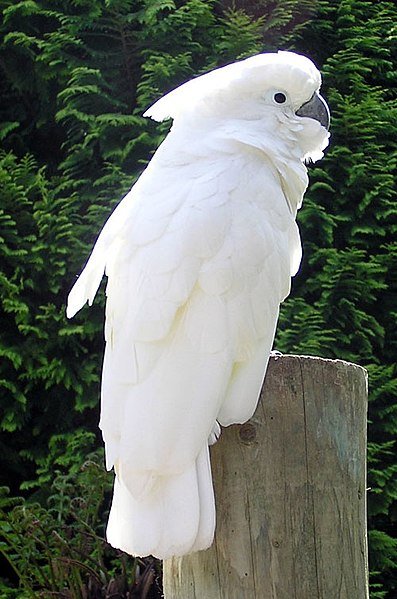
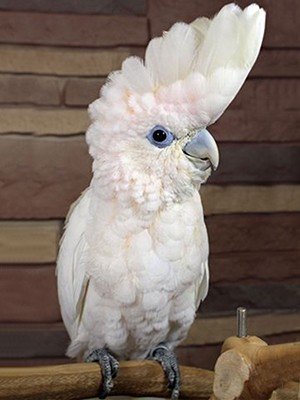
The Ducorps Cockatoo, also known as the Solomon Island Cockatoo, is a rare and intelligent parrot native to the Solomon Islands. Famous for its striking white plumage and affectionate personality, this exotic bird is a favorite among experienced parrot enthusiasts and collectors of rare cockatoos.
Appearance of the Ducorps Cockatoo
Size and Plumage
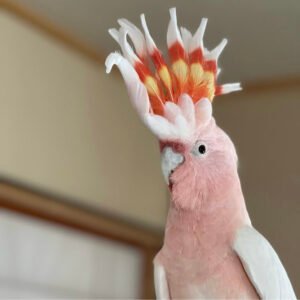
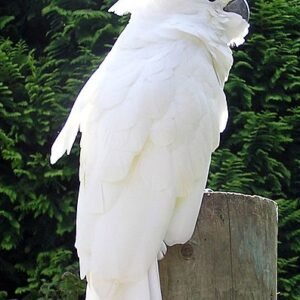
Ducorps Cockatoos are small to medium-sized parrots, measuring 12–13 inches (30–33 cm) in length. They have primarily white feathers, with slight salmon-pink tinges on the face and crest, giving them a delicate and elegant appearance.
Distinctive Features
They have a curved black beak, expressive dark eyes, and gray feet. Their small, elegant crest can be raised during excitement or curiosity, adding to their expressive personality.
Behavior and Personality
Social and Affectionate
Ducorps Cockatoos are highly social and interactive, forming strong bonds with their owners. They enjoy gentle handling, companionship, and daily interaction.
Intelligence and Playfulness
These parrots are very intelligent and curious, thriving with puzzle toys, climbing structures, and interactive play. Mental stimulation is essential to prevent boredom and destructive behavior.
Vocalizations and Noise Level
Ducorps Cockatoos are moderately vocal, producing soft whistles, squawks, and occasional mimicry. They are quieter than larger cockatoos like the Moluccan but still require an attentive household.
Behavioral Challenges
Without sufficient socialization and enrichment, they may develop feather plucking or mild anxiety, though they are generally calmer than larger cockatoo species.
Diet and Nutrition
Recommended Foods
-
Pellets: High-quality formulated cockatoo pellets as the staple diet.
-
Fruits & Vegetables: Apples, grapes, carrots, leafy greens, and bell peppers.
-
Seeds & Nuts: Offered sparingly as treats or for enrichment.
Foods to Avoid
Avoid chocolate, avocado, caffeine, alcohol, and foods high in salt or sugar.
Hydration
Fresh water should always be available to maintain proper health.
Housing and Care
Cage Size and Setup
Ducorps Cockatoos require a medium to large cage (minimum 36”x24”x36”) with multiple perches, climbing toys, and safe chewable items.
Daily Interaction
They need several hours of out-of-cage time daily for exercise, socialization, and mental stimulation.
Enrichment
Rotate toys, puzzle feeders, and perches regularly to prevent boredom and encourage natural behaviors.
Veterinary Care
Routine check-ups, nail trimming, and beak maintenance are essential for long-term well-being.
Breeding and Lifespan
Breeding Behavior
Ducorps Cockatoos are monogamous, forming strong pair bonds. They nest in tree hollows and require a quiet, safe environment for breeding.
Clutch and Incubation
Females lay 2–3 eggs per clutch, with an incubation period of 24–26 days. Both parents care for the chicks.
Lifespan
With proper care, Ducorps Cockatoos can live 40–60 years, making them a lifelong companion.
Why Choose a Ducorps Cockatoo?
Ideal Owners
These cockatoos are best suited for experienced bird owners who can provide attention, social interaction, and mental enrichment.
Companion Traits
Ducorps Cockatoos are affectionate, intelligent, and playful. They offer decades of companionship, entertainment, and emotional bonding while adding a rare and elegant presence to any bird collection.
Frequently Asked Questions (FAQ)
Q: How loud is a Ducorps Cockatoo?
A: They are moderately vocal, producing soft whistles, squawks, and occasional mimicry.
Q: Can Ducorps Cockatoos be left alone?
A: No, they require daily interaction. Extended isolation may lead to behavioral issues.
Q: What is the lifespan of a Ducorps Cockatoo?
A: Typically 40–60 years with proper care.
Q: How do I prevent feather plucking?
A: Provide mental stimulation, interactive toys, and regular social interaction.
Q: What is the best diet for a Ducorps Cockatoo?
A: A balanced mix of high-quality pellets, fresh fruits and vegetables, and occasional nuts or seeds.
Reviews
There are no reviews yet.