
Vinaceous-breasted Amazon (Amazona vinacea) – Care, Diet, Personality & Conservation
The Vinaceous-breasted Amazon is a rare, intelligent, and highly social parrot native to South America, particularly Brazil, Paraguay, and Argentina. Known for its distinctive wine-colored (vinaceous) chest, green plumage, and red forehead, this parrot is not only admired for its beauty but also recognized for its endangered conservation status.
Highly valued by bird enthusiasts, the Vinaceous-breasted Amazon combines intelligence, affection, and vocal ability, making it a fascinating but demanding companion bird.
Appearance of the Vinaceous-breasted Amazon
Size and Plumage
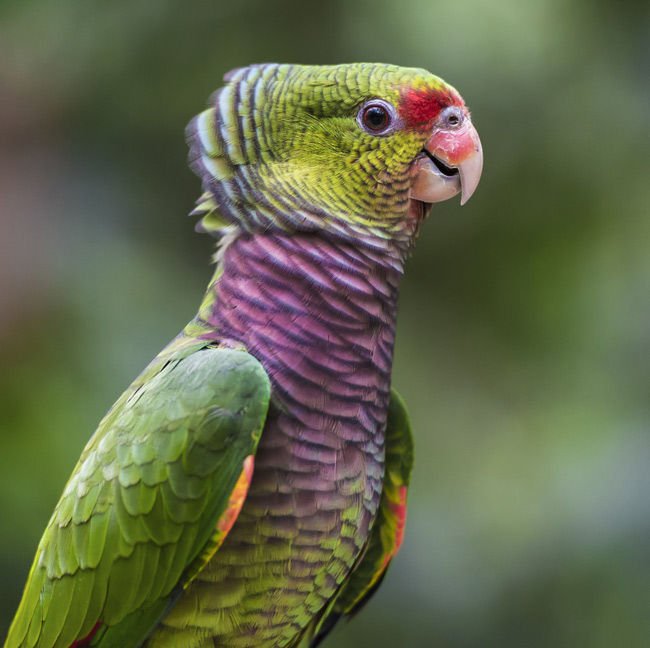
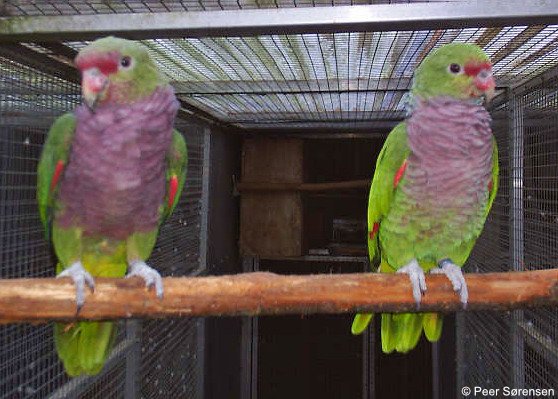
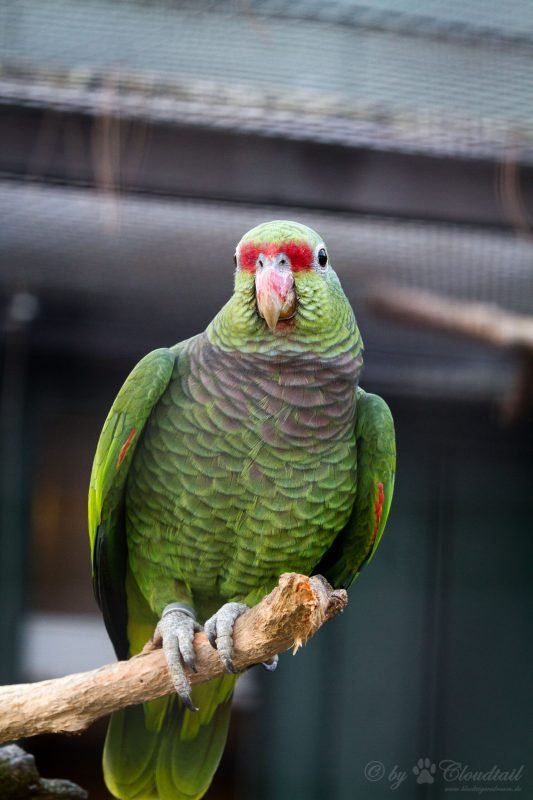
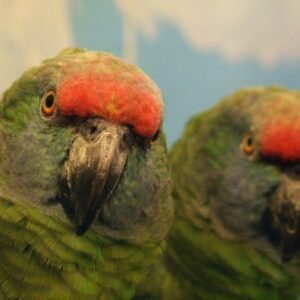
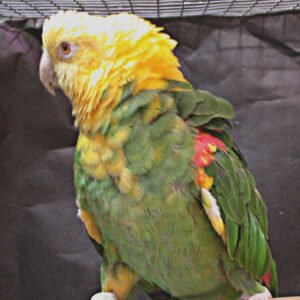
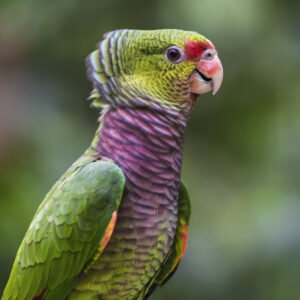
Vinaceous-breasted Amazons are medium-sized parrots, measuring 12–14 inches (30–35 cm) in length. Their plumage is primarily green, highlighted by a distinct vinaceous (wine-colored) chest patch and red markings on the head.
Distinctive Features
-
Wine-colored chest (signature feature)
-
Bright green body
-
Red forehead and subtle blue highlights
-
Strong, curved beak
-
Expressive, intelligent eyes
Their unique chest coloration makes them one of the most visually distinctive Amazon parrots.
Behavior and Personality
Social and Affectionate
Vinaceous-breasted Amazons are highly social and bond strongly with their owners. They thrive on daily interaction and companionship.
Intelligence and Talking Ability
These parrots are intelligent and capable of learning words, phrases, and sounds. While not the best talkers among Amazons, they are still engaging and communicative.
Playful Nature
They enjoy toys, climbing, and interactive play, requiring mental stimulation to stay happy and healthy.
Vocalizations
They are moderately vocal, producing whistles, calls, and occasional speech.
Diet and Nutrition
Recommended Foods
-
High-quality parrot pellets as a dietary base
-
Fresh fruits and vegetables: Apples, berries, carrots, leafy greens
-
Nuts and seeds: Given in moderation
-
Grains and legumes: Cooked rice, quinoa, lentils
Foods to Avoid
Avoid chocolate, avocado, caffeine, alcohol, and salty or sugary foods.
Hydration
Provide fresh, clean water daily to ensure proper hydration.
Housing and Care
Cage Requirements
Provide a large cage or aviary (minimum 36”x36”x48”) with perches, ladders, and toys for climbing and exercise.
Daily Interaction
Vinaceous-breasted Amazons need daily out-of-cage time for flight, bonding, and mental stimulation.
Enrichment
Offer puzzle toys, chewable items, and foraging activities to prevent boredom and destructive behavior.
Health Care
Routine avian vet visits, proper diet, and hygiene are essential for maintaining health.
Breeding and Lifespan
Breeding Behavior
These parrots are monogamous and nest in tree cavities or nest boxes in captivity.
Clutch and Incubation
-
Eggs per clutch: 2–4
-
Incubation period: 24–28 days
Both parents contribute to raising the chicks.
Lifespan
With proper care, Vinaceous-breasted Amazons can live 40–60 years, making them long-term companions.
Conservation Status
The Vinaceous-breasted Amazon is classified as endangered, primarily due to:
-
Habitat loss (deforestation)
-
Illegal pet trade
-
Fragmentation of forest habitats
Conservation efforts focus on habitat protection, breeding programs, and legal protections to preserve wild populations.
Why Choose a Vinaceous-breasted Amazon?
Ideal Owners
Best suited for experienced bird owners who can provide time, care, and a stimulating environment.
Companion Traits
-
Rare and unique appearance
-
Intelligent and affectionate
-
Moderately vocal and interactive
-
Strong bonding with owners
Frequently Asked Questions (FAQ)
Q: Where is the Vinaceous-breasted Amazon found?
A: Native to Brazil, Paraguay, and Argentina, primarily in forested regions.
Q: Is the Vinaceous-breasted Amazon endangered?
A: Yes, it is considered endangered due to habitat loss and illegal trade.
Q: Can Vinaceous-breasted Amazons talk?
A: Yes, they can learn words and mimic sounds, though they are not the most advanced talkers among Amazons.
Q: Are they good pets?
A: They can be excellent pets for experienced owners, but require attention, training, and commitment.
Q: What do they eat?
A: A balanced diet of pellets, fresh fruits and vegetables, seeds, nuts, and grains.
Reviews
There are no reviews yet.