
Imperial Amazon (Amazona imperialis) – The Majestic Parrot of Dominica
The Imperial Amazon (Amazona imperialis), also known as the Dominica Parrot, is one of the rarest and most striking Amazon parrots in the world. Native exclusively to the mountainous rainforests of Dominica in the Caribbean, this medium-sized parrot is renowned for its vibrant plumage and exceptional rarity.
Appearance and Characteristics
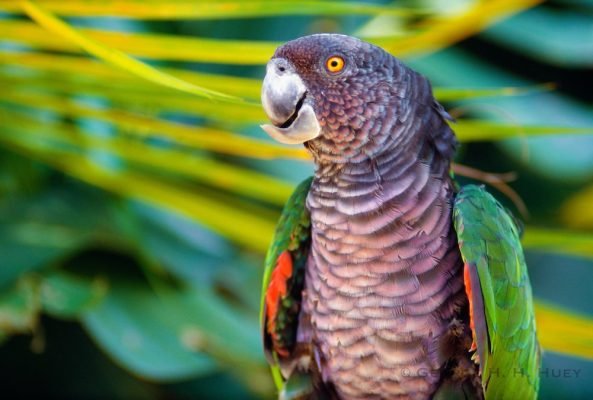
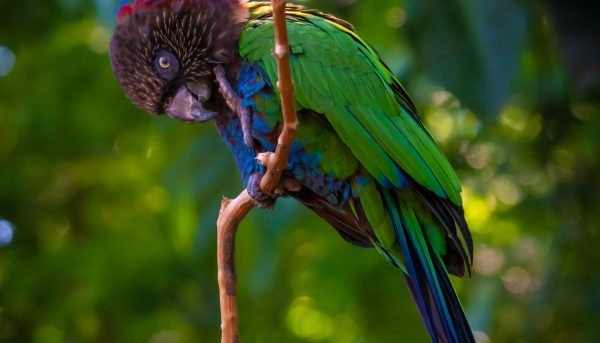
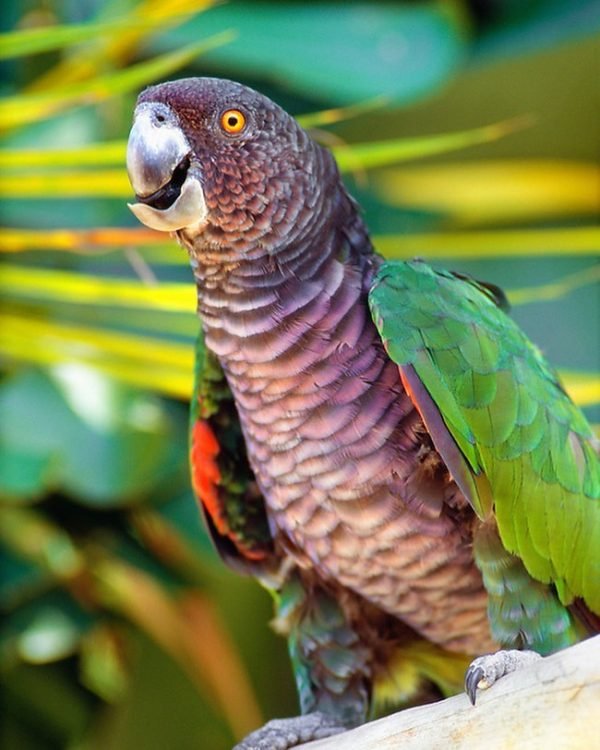
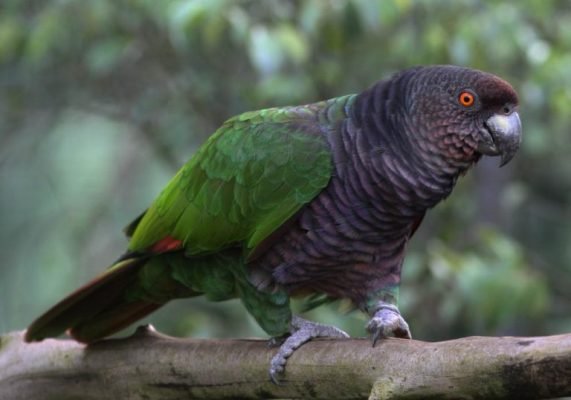
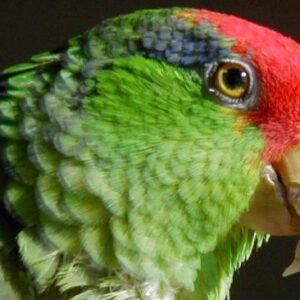
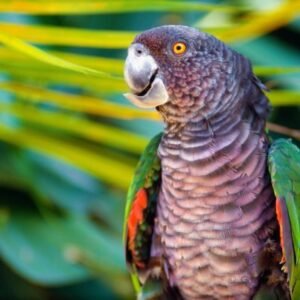
The Imperial Amazon features a brilliant mix of emerald green, deep purple, and blue feathers, with a splash of red on the crown and wings. Adults measure approximately 43–50 cm (17–20 inches) in length and weigh around 400–550 grams. Known for their shy yet intelligent demeanor, these parrots are highly social within their natural flocks but can be cautious around humans.
Habitat and Diet
Imperial Amazons inhabit high-elevation rainforests where tall trees provide nesting and foraging opportunities. Their diet primarily consists of fruits, seeds, nuts, and berries. In captivity, a varied diet rich in fresh fruits and high-quality parrot pellets is essential for maintaining health and vibrant coloration.
Behavior and Social Needs
This parrot is highly intelligent and capable of mimicking sounds, although it is not as vocally active as some other Amazon species. Imperial Amazons form strong pair bonds and rely on social interaction with their flock or caretakers. They are playful, curious, and require ample space and enrichment to thrive.
Conservation Status
The Imperial Amazon is classified as Critically Endangered, with only a few hundred individuals remaining in the wild. Threats include habitat loss from deforestation, hurricanes, and limited geographic range. Conservation programs on Dominica focus on habitat protection, breeding programs, and public awareness to prevent extinction.
Care in Captivity
Due to their rarity and conservation status, Imperial Amazons are not commonly kept as pets and are mostly found in conservation aviaries. They require specialized care, a large flight space, and regular enrichment. This species is ideal for educational programs or conservation-focused aviaries rather than casual pet ownership.
Reviews
There are no reviews yet.